EEG Headset Design
Modular, user-friendly EEG headset for flexible neuroscience research applications
Objective
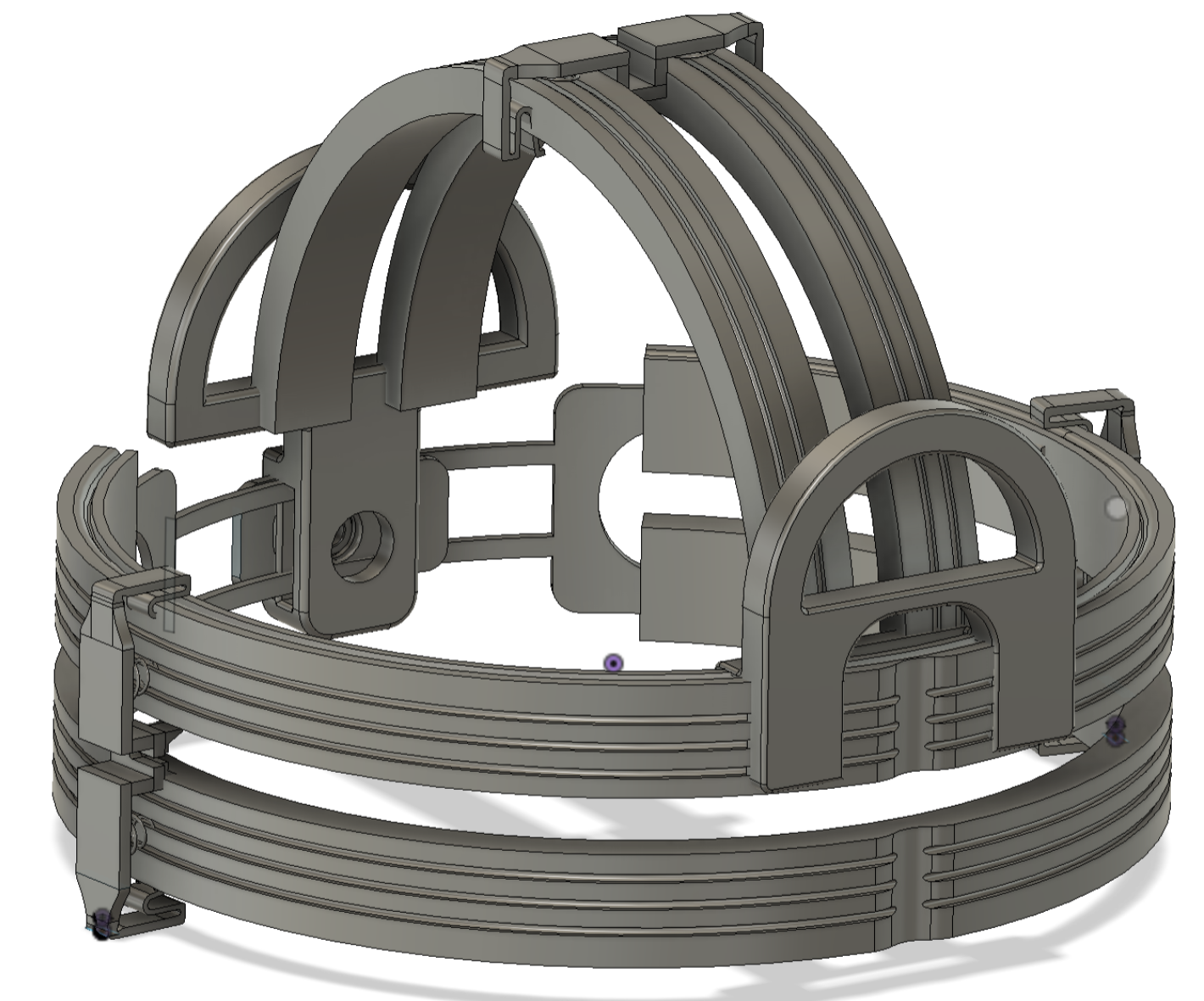
The EEG Headset project at NeurotechUofT aimed to develop a modular, user-friendly headset for flexible neuroscience research across multiple participants. The system was designed to provide precise electrode placement while maximizing comfort and ease of use, integrating principles of ergonomics, human factors, and mechanical design (CAD with Fusion360 & SolidWorks) to support long-term experimental studies.
Process
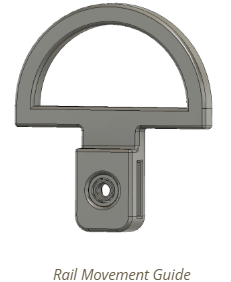
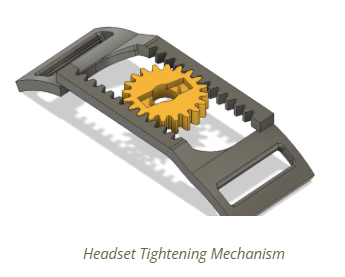
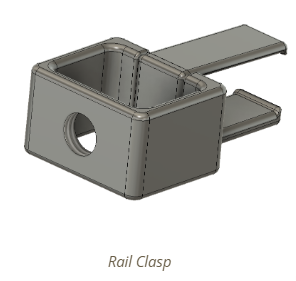
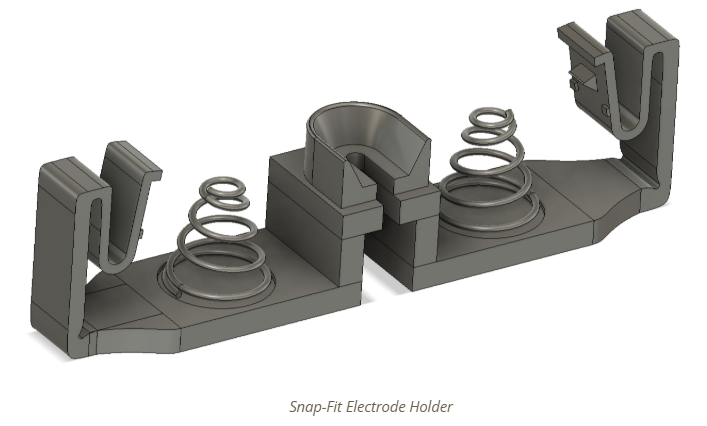
The headset was designed in Fusion360 and SolidWorks, fully 3D-printable and capable of rapid, tool-free reconfiguration. Snap-fit electrode holders combined with spring-loaded electrodes ensured firm, stable scalp contact. Rails and headset tightening mechanisms maintained structural stability and alignment, while marked components enabled accurate electrode positioning for targeted brain region measurements. Prototyping leveraged 3D printing with PLA, TPU, and PETG materials, using iterative testing and data analysis to optimize durability, flexibility, and user comfort. Testing protocols were carefully designed to simulate real-world use, enabling rapid prototyping cycles and iterative design improvements.
Challenges
Balancing modularity with structural integrity presented key mechanical challenges. Ensuring repeatable, precise electrode placement across multiple users required careful CAD modeling, material selection, and design of snap-fit mechanisms. Maintaining consistent performance under repeated use demanded rigorous testing and iterative refinement. Coordinating a multidisciplinary team of engineers, neuroscientists, and biomedical researchers over multiple years required strong project management, leadership, and communication skills.
Results
Over multiple years, the project produced a flexible, user-centric EEG headset suitable for diverse neuroscience experiments. The headset successfully integrated mechanical design, rapid prototyping, ergonomics, and human factors, demonstrating effective 3D printing techniques, material selection, and snap-fit mechanisms. Leading a team of six engineering students, the project highlighted team leadership, multidisciplinary collaboration, data-driven iterative design, and robust testing practices, resulting in a reliable tool for advanced EEG research.